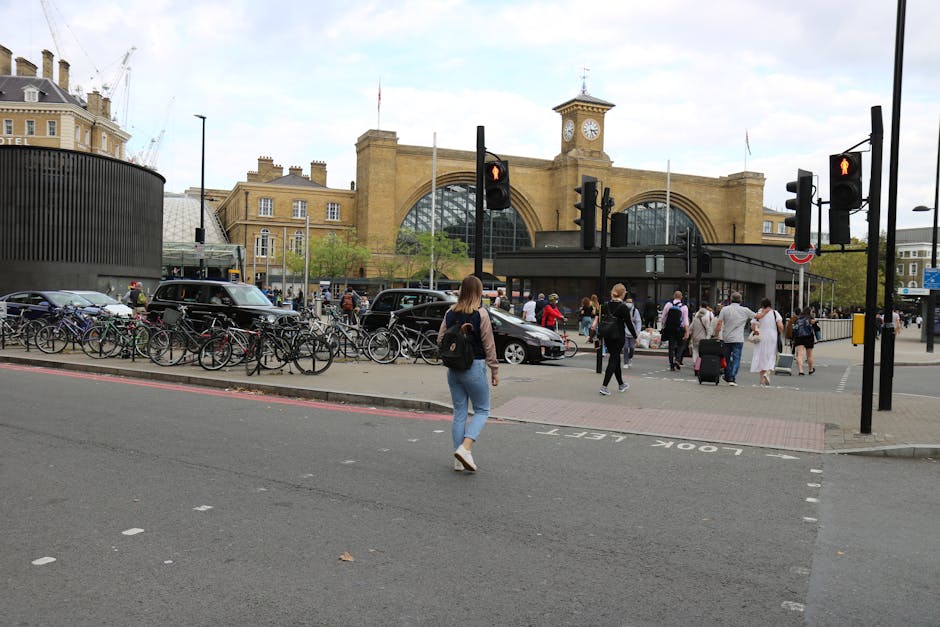
WC1E street access tips for Kings Cross man and van teams

If you are planning a move in WC1E, the access side of the job can make or break the day. Narrow streets, busy traffic, awkward kerbs, loading restrictions, estate gates, and the simple fact that Kings Cross never really feels quiet all add up fast. Good WC1E street access tips for Kings Cross man and van teams are not just nice-to-have advice; they are what keeps the move smooth, safe, and on time.
Whether you are moving a flat, helping a student, clearing an office, or shifting a single bulky item, the trick is the same: understand the street, the vehicle, the timing, and the building layout before anyone starts lifting. A little planning goes a long way. In our experience, the difference between a tidy move and a stressful one is often just 20 minutes of smart preparation. Small thing, big impact.
This guide breaks down how access works in WC1E, what can go wrong, and the best practical steps for Kings Cross man and van teams. It is written for people who want the job done properly, not just quickly.
- Why street access matters in WC1E
- How access planning works on the ground
- Key benefits and practical advantages
- Who needs this guidance and when it makes sense
- Step-by-step guidance for smoother moves
- Expert tips from real moving situations
- Common mistakes to avoid
- Tools, resources and recommendations
- Law, compliance, standards and best practice
- Options, methods and comparison table
- Case study or real-world example
- Practical checklist
- Conclusion
- Frequently asked questions
Why WC1E street access tips for Kings Cross man and van teams Matters
WC1E sits in one of the most active parts of central London, so access is rarely a simple "pull up and load" situation. Streets can be narrow, traffic can be heavy, and even when a road looks manageable on a map, the real-life turning space or loading position may be tighter than expected. If you have ever watched a van inch forward while a queue of taxis builds behind it, you will know the feeling. Not ideal.
Access matters because it affects almost everything: how long the move takes, how many trips are needed, how much manual carrying is involved, whether items stay safe, and whether the van can stop legally and without causing disruption. A poor access plan can turn a normal man and van booking into a frustrating delay, and nobody wants to be the person carrying a wardrobe down a side street because the vehicle could not get close enough.
For Kings Cross moves, the best teams treat street access as part of the job rather than a side issue. That means checking the street pattern, thinking about time of day, knowing how the building sits in relation to the road, and understanding where the handoff point is likely to be. It sounds basic, but honestly, this is where many jobs either stay calm or go sideways.
There is also a trust element. When a team can explain access clearly, they look prepared, organised, and capable. That helps customers feel safer about the booking, especially if they are moving valuable furniture, office equipment, or a lot of boxed items. A confident access plan quietly tells the whole story.
How WC1E street access tips for Kings Cross man and van teams Works
Street access planning works best when it starts before the van is even dispatched. The aim is to reduce unknowns. Where will the vehicle stop? Is there room to load from the front, rear, or side? Are there bollards, gates, one-way restrictions, cycle lanes, or timed loading rules? Does the building have steps, a lift, a concierge desk, or a rear entrance? These questions sound obvious, but they save real time once the job starts.
A good team will normally look at access in three layers:
- The road itself - width, traffic, turning room, and stopping options.
- The building approach - stairs, pavement condition, entry points, and entry controls.
- The job timing - whether the chosen arrival time matches local traffic and any loading windows.
That third layer is often underestimated. In the same street, a move can feel easy at 7:00 in the morning and awkward by late morning when the road is busier and every pause becomes noticeable. A van that can comfortably stop for five minutes in one slot may need a different plan later in the day. Timing changes everything, or close enough.
It also helps to think about the load itself. A few boxes and a small table are one thing. A sofa, a fridge, office desks, or a piano are another matter entirely. Larger or fragile items need more space, more care, and usually a better access strategy. If the road is tight, you may need a shorter vehicle, more carrying time, or extra hands. Simple, but worth saying plainly.
For customers comparing providers, it is worth looking at broader service fit too. A team that offers man and van support may be the right choice for smaller loads, while bigger relocations may need a more structured option such as removal services or office removals. The right match usually depends on access as much as volume.
Key Benefits and Practical Advantages
Getting WC1E access right brings very practical benefits. They are not glamorous, but they matter when the clock is ticking and the pavement is busy.
- Less carrying distance - shorter carries reduce effort and lower the risk of knocks or drops.
- Faster loading and unloading - direct access usually means fewer delays.
- Lower stress for everyone - the customer, the movers, and the neighbours all have an easier time.
- Better protection for items - less shuffling around means fewer handling points.
- Improved safety - fewer awkward lifts from kerbs, tighter gaps, or rushed movements near traffic.
- More accurate pricing and scheduling - teams can estimate the job more honestly when access is understood.
Another benefit is reputation. In a place like Kings Cross, people talk. Building managers remember the team that blocked a passageway. Residents remember the team that worked neatly and did not leave them guessing. A well-run access plan is part practical efficiency, part professional courtesy. It shows respect for the street and for the people living or working there.
To be fair, the biggest advantage is often peace of mind. When the mover knows where the van can stop and how the item will reach it, the whole job feels less chaotic. You stop reacting and start working. That changes the tone completely.
Who This Is For and When It Makes Sense
These street access tips are useful for anyone moving in or around WC1E, but they are especially valuable in a few common situations.
- Flat movers dealing with stairs, narrow hallways, or shared entrances.
- Students moving between halls, flats, or short-term lets with limited parking options.
- Office teams moving furniture, IT equipment, or boxed archives in busy weekday traffic.
- Landlords and agents coordinating furniture pick-ups, clearances, or end-of-tenancy moves.
- People with bulky items such as sofas, wardrobes, beds, or white goods.
- Anyone on a tight schedule who cannot afford guesswork about stopping space.
It also makes sense whenever the property is near a busy route, corner site, mews-style access, estate road, or a street with unclear loading conditions. In plain English: if you are not completely sure the van can stop right outside, plan as though it cannot. That sounds cautious, but it is usually the safer way to work.
If you are comparing move types, the job may also connect with services like home moves, student removals, or commercial moves. Each comes with a different access pattern. A student move can be light but awkward; a commercial move may be heavier but more predictable. Funny how that works.
Step-by-Step Guidance
Here is a simple, field-tested way to handle access planning in WC1E without turning it into a big production. You do not need a clipboard and a headset. Just a sensible process.
1. Check the exact pickup and drop-off points
Start with the actual addresses, not just the street name. WC1E often includes properties that look straightforward until you realise the entrance is on a side road, inside an estate, or behind a gate. Ask which door the movers will use, whether there is a lift, and whether the item comes from a top floor or basement. Small detail, huge difference.
2. Match the vehicle to the street
Not every move needs the biggest van available. In busy central streets, a slightly smaller vehicle may be easier to place legally and safely. For tighter access, something like a removal van may be more practical than a larger truck. If the move is sizeable, a moving truck may still be right, but only if the road and stopping point can support it.
3. Plan the arrival window
Traffic in and around Kings Cross changes through the day. Aim for a slot that gives the crew enough room to work without fighting the worst congestion. Early starts often help. Midday can be trickier. If the schedule is tight, allow some breathing room. You will thank yourself later.
4. Confirm how close the van can legally and safely get
Do not assume the van can stop directly outside. Look for loading bays, time-restricted stopping areas, side access, or a safe nearby point. If the road is only suitable for a brief stop, the crew may need to stage items quickly and move them in batches. That is fine if everyone expects it. It becomes messy only when nobody planned for it.
5. Walk the route before lifting
When possible, have one person walk the route from the property to the van before the first item moves. Check for steps, low railings, doors that swing awkwardly, wet paving, loose surfaces, and sudden corners. Five minutes of route checking can save thirty minutes of frustration.
6. Break the load into sensible stages
Heavy, awkward, or fragile items should be loaded with a sequence in mind. Start with the pieces that are hardest to manoeuvre. Leave easy boxes for later. That way, if access becomes tighter than expected, the critical items are already handled.
7. Keep communication simple
Use plain language. Agree who is directing the lift, who is carrying, and who is watching the van or the street. A move can fall apart when too many people start improvising. One clear voice is better than three half-thought-out opinions. Honestly, it usually is.
8. Build a fallback plan
Sometimes the ideal stop is taken, a gate is locked, or a delivery lorry appears at the wrong moment. Have a Plan B: alternate entry point, different parking spot, or a temporary hold location for items. Good teams do not panic when the obvious option disappears. They switch.
Expert Tips for Better Results
Here are the little things that tend to separate smooth Kings Cross moves from the ones that make everybody stare at the pavement and sigh.
- Use the building's best entrance, not the most obvious one. The front door is not always the fastest route. A side access point or rear entrance can save time and reduce disruption.
- Protect the first and last five metres. Most damage happens near the door, on steps, kerbs, or around the van. That is where a ramp, blanket, trolley, or extra caution matters most.
- Expect street clutter. Bins, bikes, scooters, and temporary works can change a clean route into a slightly awkward one. It happens all the time in central London.
- Think in load sequences. If you know a heavy sofa has to go out, make sure there is a clear path before anything else gets stacked in the way.
- Keep a spare cloth or blanket handy. Wet weather, dusty stairwells, and older hallway paint are not a lovely mix. Sometimes the simplest thing saves the day.
- Check if concierge or estate staff need notice. A friendly heads-up often helps. Not always, but often enough to be worth it.
One thing we notice often is that customers focus on distance to the van, but forget vertical access. A second-floor flat with a clear curbside stop can still be easier than a ground-floor unit with a horrible staircase and no parking nearby. Access is not just about the road. It is the whole journey.
And yes, sometimes the job starts with a brisk walk around the block while someone mutters, "There must be a better way in." Usually there is. It just takes a bit of patience.
Common Mistakes to Avoid
Most access problems are predictable. That is the annoying bit. The good news is that predictable problems are also avoidable.
- Assuming the road is wide enough without checking turning room or stopping restrictions.
- Booking the wrong vehicle size for the street rather than the load.
- Ignoring the building entrance and only thinking about the loading point.
- Leaving large items until last when energy, time, and space are already running low.
- Not warning neighbours or building staff where that would help reduce friction.
- Underestimating the effect of timing in a busy area like Kings Cross.
- Forgetting the weather on routes with exposed pavement, steps, or slippery surfaces.
A classic mistake is arriving "just a little bit late" and discovering that the one decent stopping place has been taken by someone else. That tiny delay can snowball. Truth be told, central London has a way of punishing casual timing.
Another common issue is failing to tell the mover about access quirks up front. If there is a locked gate, a long internal corridor, or a service lift that needs permission, mention it early. No one enjoys learning that at the doorway with a sofa hovering in the air.
Tools, Resources and Recommendations
You do not need a huge toolkit, but a few practical items make access work much easier. Think of these as quiet helpers rather than flashy extras.
- Furniture blankets for protecting items and door frames.
- Straps and ties to keep loads stable during short moves between property and van.
- Hand trolleys or sack trucks for boxes and medium-weight items where stairs and kerbs allow.
- Gloves with grip for wet handles, cold mornings, and awkward lifting points.
- Phone access for live communication between whoever is at the van and whoever is at the property.
- Floor protection materials when moving through shared entrances or polished surfaces.
For customers wanting a deeper service match, it can also help to review support pages like packing and boxes or packing and unpacking services. Better packing can make access easier because boxes stack more cleanly and move more safely. A tidy box is a friend to any loading plan.
If the move involves clearing out extra items before the main day, options such as furniture removals or furniture pick-up can be useful. Less clutter often means cleaner access. That sounds obvious, but it genuinely helps.
Law, Compliance, Standards, or Best Practice
For London street moves, the safest approach is to follow local parking rules, loading restrictions, estate rules, and any instructions from building management. You should never assume stopping is allowed just because the van is only there for a minute. In busy central areas, that assumption can become expensive very quickly.
Professional teams usually work to a few basic standards:
- Park legally and safely wherever possible, even if it adds a short walk.
- Keep access routes clear for residents, pedestrians, and emergency use.
- Use the right equipment for lifting and moving heavy or awkward items.
- Protect property during loading, carrying, and unloading.
- Communicate clearly about timing, access issues, and any limitations before arrival.
Insurance and safety also matter. If you are hiring a team, it is reasonable to ask how they handle breakages, safe lifting, and access-related risks. You do not need a formal lecture. Just enough detail to know they are thinking properly. Pages such as insurance and safety and health and safety policy can help reassure customers about working standards.
For larger or recurring moves, it is also sensible to check terms and conditions and pricing and quotes so that any access-related assumptions are clear. If access is tricky, it is better for everyone that the job scope is understood before moving day. No surprises. That is the whole point.
Options, Methods, or Comparison Table
Not every Kings Cross move needs the same access approach. Here is a simple comparison of common methods and when they usually make sense.
| Method | Best for | Pros | Watch-outs |
|---|---|---|---|
| Direct roadside loading | Short, clear moves with legal stopping space | Fast, efficient, less carrying | May not be possible in narrow or restricted streets |
| Short carry from nearby legal stop | Busy streets and limited curb access | Flexible and often safer | More physical effort and longer handling time |
| Staged loading via concierge or internal access | Managed buildings and office spaces | Orderly, controlled, less street disruption | Depends on permissions and building rules |
| Smaller vehicle strategy | Tight roads or awkward turns | Easier positioning and manoeuvring | May require more trips if the load is larger |
| Two-person carry for heavy items | Sofas, wardrobes, beds, and similar bulky pieces | Safer handling and better control | Needs coordination and enough route space |
In practice, many WC1E jobs use a mix of these methods. That is normal. The best teams do not stick rigidly to one style; they adapt to the street, the building, and the load. Flexibility beats ego every time.
Case Study or Real-World Example
Here is a realistic example based on the kind of move that comes up often in Kings Cross. A customer in WC1E needed to move a one-bedroom flat's worth of items, including a bed frame, several boxes, a desk, and a sofa. The street looked fine at first glance, but the actual entry point was around the corner from the address, and the nearest direct stop was not practical for more than a very short load window.
Instead of forcing a poor setup, the team adjusted the plan. They arrived a little earlier than the busiest period, confirmed the walking route from the flat to the van, and used a smaller stopping position that allowed them to load safely without blocking the flow of the street. The sofa went out first, the boxes were stacked in a sensible order, and the bed components were wrapped before carrying. Nothing fancy. Just calm, methodical work.
The result was a move that felt controlled rather than rushed. There was still a bit of hustle - there always is - but no one was scrambling for space or trying to improvise with a locked gate and a heavy wardrobe. The customer later said the best part was not the speed, but the fact that everything felt organised from the start.
That is often the real value of good WC1E access planning. It turns a potentially messy central London move into a sequence of manageable steps. And honestly, that is what most people want on moving day: less drama, more certainty.
Practical Checklist
Use this checklist before a move in WC1E. It is simple, but it catches a lot of problems early.
- Confirm the full pickup and drop-off addresses.
- Identify the exact entrance used for loading.
- Check for stairs, lifts, gates, and internal corridors.
- Ask whether there are parking, loading, or stopping restrictions.
- Choose a vehicle size that suits the street as well as the load.
- Plan the best arrival window based on traffic and access conditions.
- Tell the mover about bulky, fragile, or unusually heavy items.
- Clear hallways, doorways, and obvious trip hazards.
- Protect floors and walls where needed.
- Keep contact details handy for quick coordination on the day.
- Have a backup plan if the intended stop is occupied or blocked.
- Review any building or estate instructions ahead of time.
Quick expert summary: if access is uncertain, slow down your planning, not your judgement. Check the route, match the vehicle to the street, and make sure the first carrying point is realistic. That small discipline usually saves time in the end.
Get a free quote today and see how much you can save.
Conclusion
WC1E street access can look simple on paper and turn tricky in real life, especially around Kings Cross where traffic, building layouts, and curb space all seem to compete with one another. The good news is that the common problems are manageable when the plan is clear: know the road, know the building, know the vehicle, and know the timing.
For man and van teams, the best access work is rarely dramatic. It is careful, steady, and practical. That is what keeps items safe, keeps the day moving, and keeps stress down. A little foresight goes a long way in central London, and sometimes the smartest move is simply to prepare well before the first box is touched.
And if the street looks awkward? Fine. That happens. The job is still doable with the right approach, and once the plan is in place, everything tends to feel a lot more manageable.
Frequently Asked Questions
What makes WC1E street access tricky for man and van teams?
WC1E can be tricky because of busy roads, limited stopping space, narrow approach routes, and building entrances that are not always right on the street. The area rewards careful planning.
Do I need to book a smaller van for Kings Cross moves?
Not always, but a smaller vehicle can be easier to position in tight streets or where turning space is limited. The right choice depends on the load and the exact access conditions.
How early should I check street access before moving day?
As early as possible. Ideally, confirm access details when booking so the team can plan the vehicle, timing, and route in advance. Last-minute surprises are never fun.
What should I tell the moving team about my property?
Tell them about stairs, lifts, gates, loading points, restricted entrances, bulky furniture, and anything that could slow the carry. The more accurate the information, the smoother the job usually goes.
Are loading bays always available in WC1E?
No, and this is where people sometimes get caught out. Loading bays may be restricted, time-limited, or occupied. It is always better to have a backup plan.
What happens if the van cannot park right outside?
The team may use a nearby legal stopping point and carry the items a short distance. That is common in central London. It can still be efficient if planned properly.
Can office removals in WC1E be done outside busy hours?
Yes, and that is often a sensible approach when access is tight or traffic is heavy. Early starts or carefully chosen time windows can make a real difference.
How do I reduce the risk of damage during tight access moves?
Use proper wrapping, protect door frames and floors, plan the route before lifting, and handle heavy items in a controlled sequence. Rushing is usually where damage starts.
Is it worth using packing services before an access-heavy move?
Often, yes. Better packing makes items easier to stack, carry, and protect. It can save time at the point where space is tight and every movement matters.
What is the biggest mistake people make with street access in Kings Cross?
Assuming the obvious stopping point will work without checking. That one assumption causes a lot of stress, delay, and extra carrying.
How can I tell whether my move needs professional help?
If the property has tricky access, bulky items, limited parking, or a tight time window, professional help is usually worth it. A good team can spot the problems before they become problems.
What is the best next step if I am still unsure about access?
Gather the exact address details, note the entrance and any restrictions, and speak to a mover who understands WC1E conditions. A clear quote process and honest access discussion will usually point you in the right direction.